
Introduction
For many patients, a healing wound represents the closing of a chapter.But for a significant subset of the population, that closure never quite arrives. Instead, the scar continues to thicken, darken, and spread, encroaching on healthy skin long after the original injury has healed. This is the frustrating reality of keloid scarring, a condition that is often misunderstood, frequently mistreated, and rarely resolved with a single intervention. This guide examines the clinical and practical dimensions of keloids: what they are, why they form, how they present, and what current evidence supports as effective management.
What is Keloid Scar
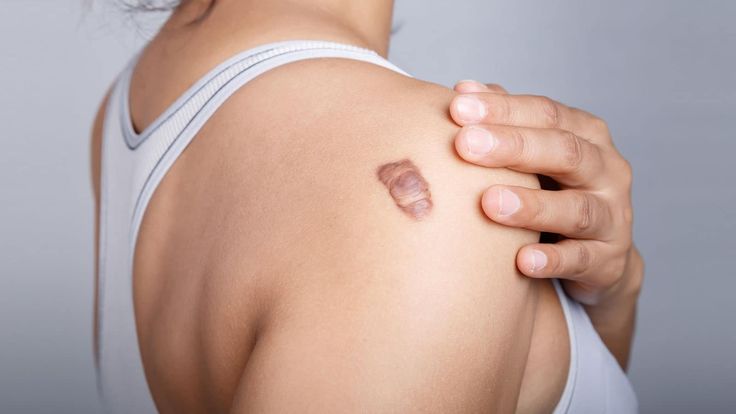
At their core, keloid scars are firm, smooth, and often rubbery growths that arise from an overproduction of collagen during the wound-healing process. Unlike ordinary scar tissue, which typically matures and flattens over a period of months, keloid tissue continues to proliferate well beyond the point of normal repair. A critical distinction—one that is essential for both patients and clinicians to understand—is the difference between keloids and hypertrophic scars. Hypertrophic scars, while raised and sometimes uncomfortable, remain confined to the borders of the original wound and tend to soften over time.
Keloids, by contrast, extend beyond the boundaries of the initial injury, invading surrounding tissue in a manner that can make them considerably more difficult to predict and treat. It is worth noting, however, that despite their sometimes alarming appearance, keloids are entirely benign. They carry no risk of malignancy, but their persistence and resistance to standard treatment protocols mean they often require specialized, long-term care.
What Triggers Keloids and Who Is Most at Risk?
Keloids are most commonly triggered by some form of skin trauma, though the relationship between injury severity and scar outcome is far from straightforward. A minor insect bite or a small acne lesion can, in a predisposed individual, produce a keloid disproportionate to the original wound. Common precipitating events include:
- Acne
- Body piercings
- Tattoos
- Surgical incisions
- Burns
- Minor scratches
- Insect bites
In many cases, patients report that the triggering injury was so trivial they barely remember it, which underscores how much of keloid formation is governed by individual biology rather than the magnitude of the trauma itself.
Keloid’s Symptoms and the Hidden Impacts
Clinically, keloids present as raised, lumpy, and often shiny lesions that can range in color from pink and red to purple or a shade noticeably darker than the surrounding skin. They are most frequently found on the upper chest, shoulders, earlobes, and cheeks—areas that are particularly prone to tension and movement, or that are commonly subject to piercings and acne.
Beyond their visual presentation, keloids are frequently associated with physical discomfort that patients actively seek relief for, including persistent itchiness, tenderness to the touch, and a burning sensation that can interfere with daily activities. When a keloid forms over or near a joint, the resulting tightness in the tissue can restrict range of motion, adding a bad effect to what might otherwise be considered a purely cosmetic concern.
Perhaps the most underappreciated aspect of keloid scarring is its psychological toll. Visible, persistent scarring—particularly on the face, chest, or ears—can contribute to diminished self-esteem, social withdrawal, and a sense of disfigurement that extends well beyond the physical lesion itself. Clinicians and patients alike should recognize that the emotional burden of keloids is a legitimate component of the condition, and individuals whose body image or quality of life is meaningfully affected should be encouraged to seek mental health support alongside dermatological treatment.
Taking the Next Step: When to Stop DIY Methods and See a Specialis
Over-the-counter scar creams and home remedies are rarely sufficient to address a true keloid, and patients who rely on these methods alone often find themselves disappointed by the results. Individuals should consider consulting certified dermatologist or plastic surgeon when a scar causes ongoing pain, restricts movement, or has a noticeable impact on self-esteem and quality of life.
Klinik Finesse offers dedicated keloid scar treatment as part of its broader range of aesthetic and dermatological services, with clinics located in Jade Hills, Kajang, and Tropicana Metropark, Subang Jaya, in Selangor. The clinic’s approach reflects the combination-therapy philosophy outlined throughout this guide, drawing on options such as steroid injections and laser-based treatments to address both the appearance and the discomfort associated with keloid scarring. Patients considering treatment can reach out via the clinic’s contact channels to arrange a consultation and discuss a plan suited to their specific scar history and goals.